Can a turtle take off its shell and climb out?

 The answer lies in what the shell is made of.
A turtle cannot take off its shell and step out of it. The upper shell is part of its skeleton, formed from the backbone and ribs spreading out flat, and it is joined to the rest of the body. The thin plates on the surface (scutes) can peel off, but the shell itself stays attached to the body for life.
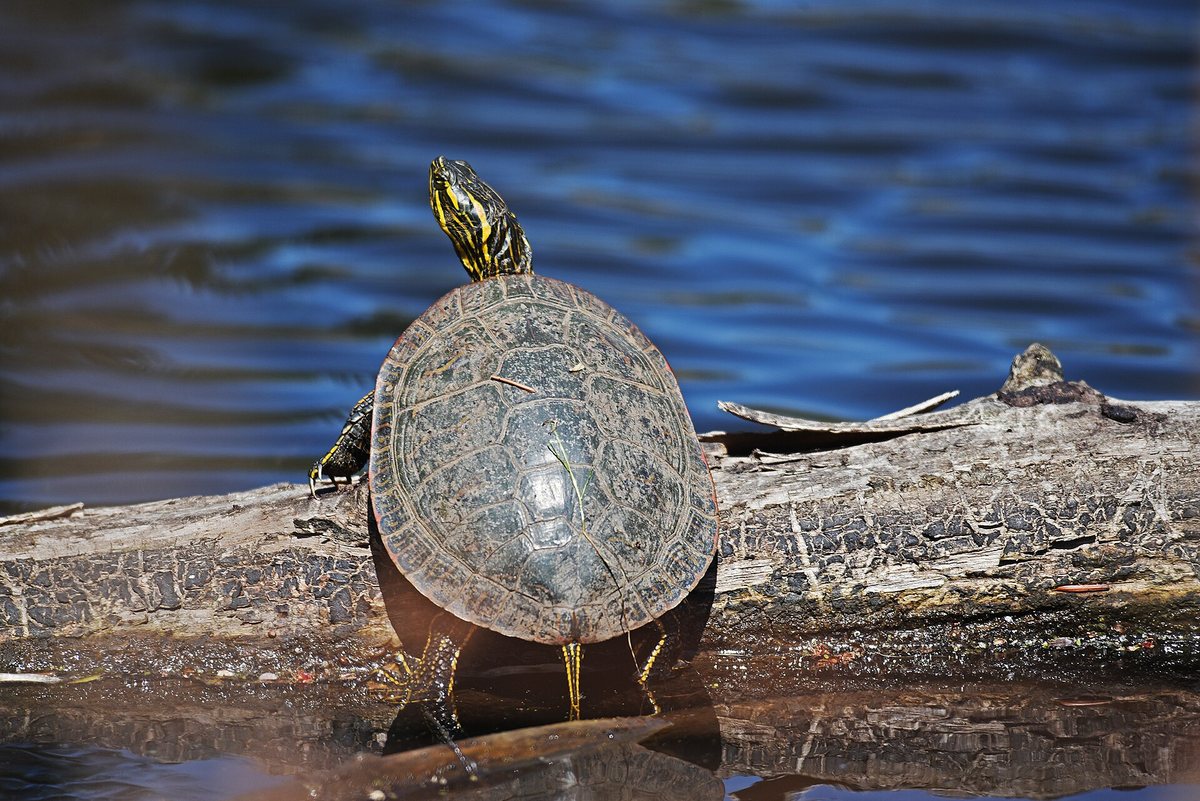
The shell is made of backbone and ribs
In comics and cartoons, turtles are sometimes drawn taking off their shells to rest. But real turtles cannot come out of their shells. According to a research group at RIKEN, a Japanese research institute, the upper shell (the carapace) is formed from ribs that have spread out flat, and it is also joined to the backbone. For a turtle, taking off its shell would be like a person removing their backbone and ribs.
The shoulder bones are inside the shell
The way a turtle's bones are arranged is unlike any other animal. In most animals, the shoulder blade (shoulder bone) sits outside the ribs. In turtles, however, the shoulder blade is inside the shell, that is, inside the ribs. When a turtle pulls its arms into its shell, its shoulders and arms end up tucked inside its ribs.

Only the surface scutes peel off
The surface of the bony shell is covered with plates called scutes. Scutes are made of keratin, the same material as our fingernails. According to a researcher at the U.S. Geological Survey, turtles sometimes shed these scutes as if peeling off skin, which helps stop algae from building up on the shell and helps the shell grow larger. Only the surface plates come off; the bony shell stays as it is.
The shell grows along with the body
Because the shell is part of the body, it grows as the turtle grows. Turtles never move from a shell that no longer fits into a new one, the way hermit crabs do. Encyclopaedia Britannica also explains that the shell is a bony box made of the upper and lower shells joined together, and that a turtle keeps it all its life.
Want to know more?
- A researcher at the U.S. Geological Survey explains that a turtle's shell is made of about 50 bones fitted together.
- According to Encyclopaedia Britannica, the upper shell contains 10 backbones and the ribs connected to them.
- Where the shell's bones come from has been debated since the 19th century. A 2013 study by RIKEN and others reported that the main part of the upper shell is made of spread-out ribs.

Quick quiz: test yourself
Can a turtle take off its shell?
Show the answer
- Yes, to take a rest
- Yes, it swaps shells as it grows
- No, it can't
No, it can't The top shell is part of the skeleton, formed from the backbone and ribs spreading flat, and it is joined to the body, so it can't come off.
The top shell is part of the skeleton, formed from the backbone and ribs spreading flat, and it is joined to the body, so it can't come off.
Next quiz ›Sources
- 胚発生過程と化石記録から解き明かされたカメの甲羅の初期進化理化学研究所 (in Japanese)
- ゲノム解読から明らかになったカメの進化理化学研究所 (in Japanese)
- カニやカメ、ヘビ、昆虫など、脱皮のメカニズムを解き明かすナショナル ジオグラフィック日本版(米国地質調査所の研究者の解説を含む) (in Japanese)
- What Are Turtle Shells Made Of?Encyclopaedia Britannica
This article was written after checking the sources above as of 2026-10-03. Explanations may change as research progresses. Photo credits are shown below each photo.