Do elephants grieve when another elephant dies?

 Let me share what we know and what we don't know yet, one at a time.
Elephants are known to approach the bodies and bones of other elephants and gently explore them with their trunks and feet. However, we don't know whether this is the same as human "grief." The interest is shown not only toward family members but also toward elephants they are barely related to, and scientists are still studying what it means.
Approaching the body and touching it with the trunk
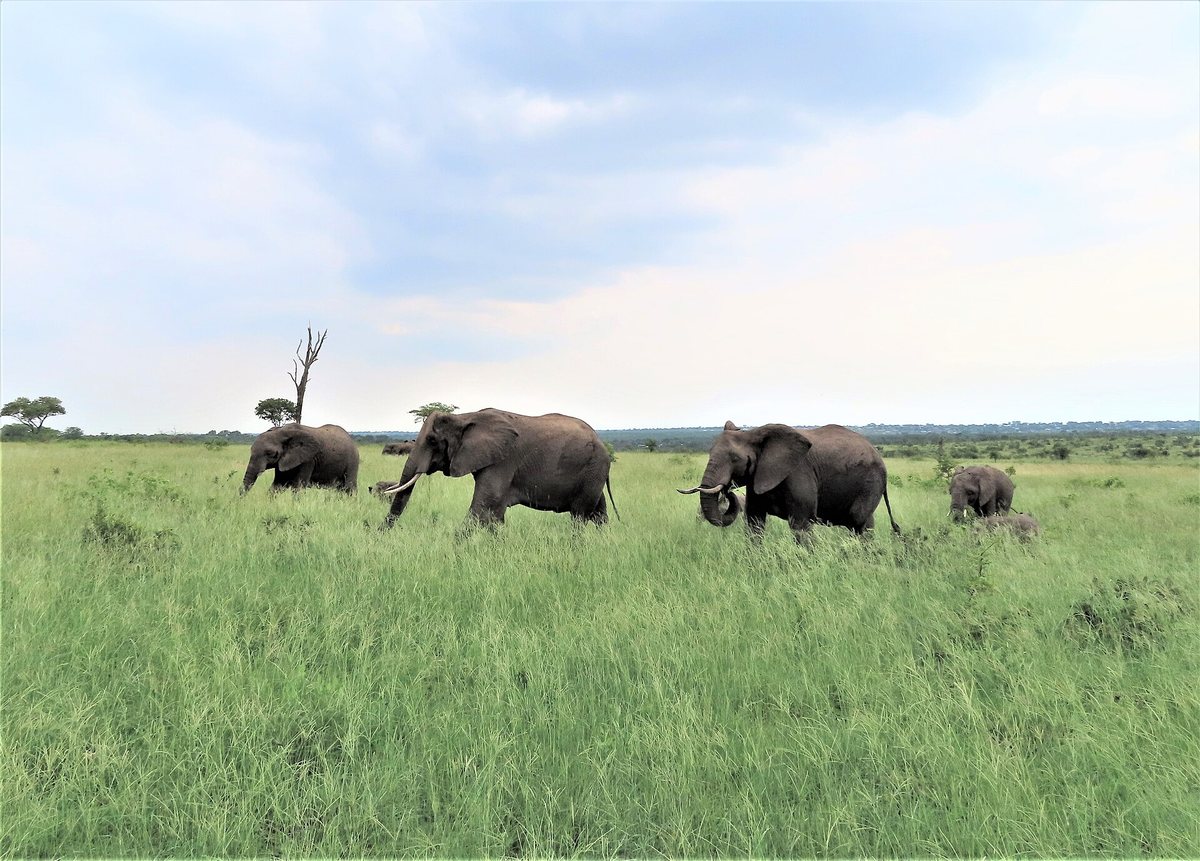
African elephants that come across the body of another elephant are often reported to approach it, sniff it, and gently touch it with their trunks and feet. A paper that brought together past observations says this behavior is seen not only with bodies that have just died, but also with bones that have turned white in the sun. Some elephants visit the same place again and again.
Choosing to examine elephant bones and tusks
In an experiment by a British university and others, researchers set out an elephant skull, a tusk, the skull of another large animal, and a piece of wood in front of wild elephant families. The elephants examined the elephant skull and tusk for longer than the other objects, and they showed especially strong interest in the tusk.

Interested even when it is not family
On the other hand, the elephants did not seem to pick out the skull of their own family's leader, a mother elephant, over the bones of other elephants. When an older female died in Kenya, several families that were not related to her by blood came to visit one after another, stopping beside her or touching her body. Their interest does not seem to be limited to family.
Is it grief? We don't know yet
We still don't know whether this behavior is the same as human "grief." Researchers suggest it may be a way of checking who is missing from the group. More research is needed, including on the fact that emotions seem to be involved.
Want to know more?
- The soles of an elephant's feet can sense vibrations and touch, and in the experiment, elephants were often seen gently resting a foot on top of the tusk.
- The story of an "elephant graveyard," where elephants go before they die, is considered a myth. It can be explained by bones found together after hunting or droughts.
- When an older female collapsed in Kenya in 2003, the leader of another family rushed over at once and tried to lift her up with its tusks to help her stand.

Quick quiz: test yourself
What do elephants do when they find a dead elephant?
Show the answer
- Stay away from it
- Bury it with dirt
- Gently touch it with trunk and feet
Gently touch it with trunk and feet Elephants approach the body or bones and gently touch them with their trunks and feet. Whether this is the same as human grief is still unknown.
Elephants approach the body or bones and gently touch them with their trunks and feet. Whether this is the same as human grief is still unknown.
Next quiz ›Sources
- Elephant behavior toward the dead: A review and insights from field observationsPrimates(PubMed掲載)
- African elephants show high levels of interest in the skulls and ivory of their own speciesBiology Letters(PubMed Central掲載)
- Behavioural reactions of elephants towards a dying and deceased matriarchApplied Animal Behaviour Science(Save the Elephants掲載)
This article was written after checking the sources above as of 2026-10-03. Explanations may change as research progresses. Photo credits are shown below each photo.