Do apples and bananas make other fruit ripen faster?

 First, let me give you the answer in 30 seconds.
Apples and bananas give off a gas called "ethylene" as they ripen. Ethylene acts as a signal that tells fruit "time to ripen," so fruit placed nearby may ripen faster. However, it only works on fruit that keeps ripening after harvest. Grapes, strawberries, citrus fruits, and similar fruits do not keep ripening once they are picked.
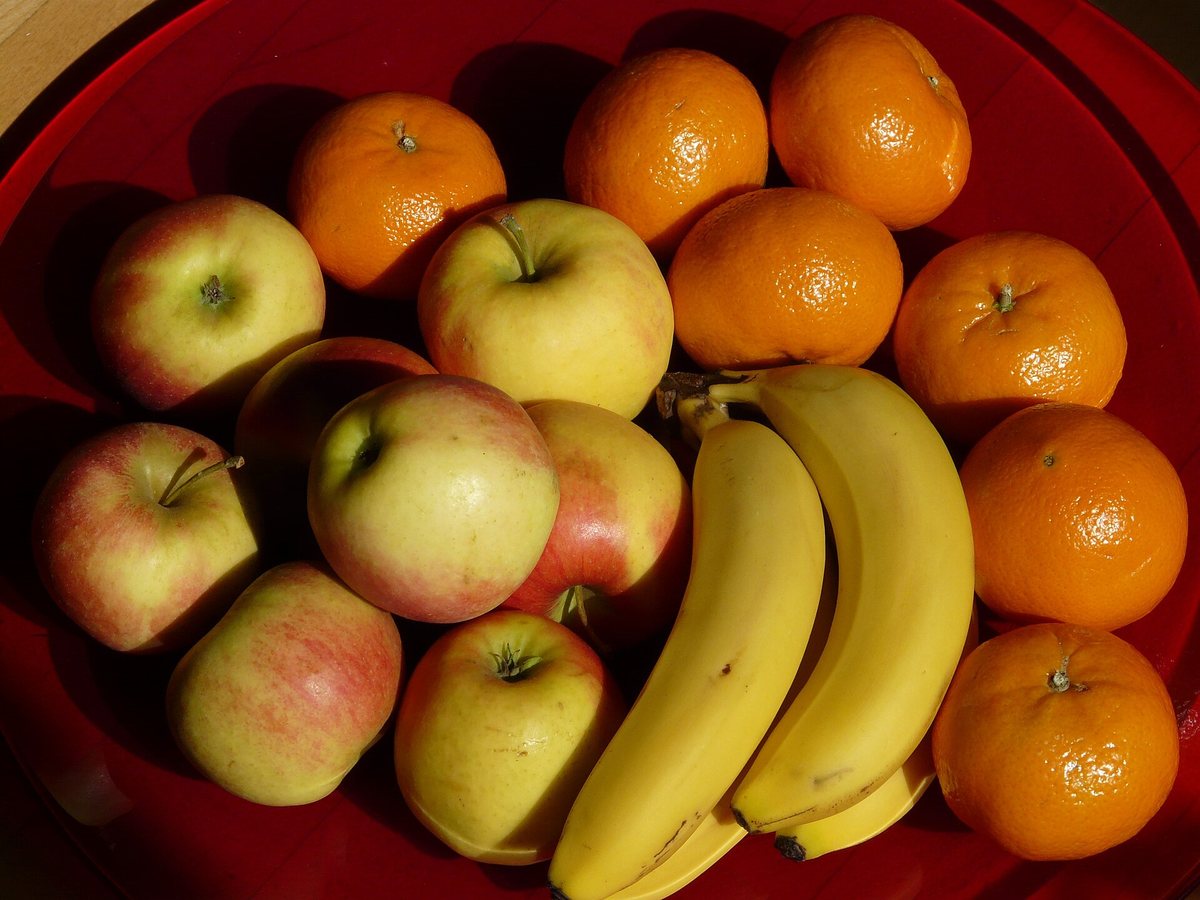
The ripening signal is a gas called ethylene
When fruit ripens, a plant hormone called "ethylene" is at work inside it. Ethylene is a gas, and a plant hormone is a substance that a plant makes itself to send signals. Unripe fruit has little ethylene, and as the fruit grows, ethylene is made as a signal. As fruit ripens, it gets softer, starts to smell sweet, and changes color.
Fruit that keeps ripening after harvest
Fruits can be divided into 2 main groups by how they ripen. Apples, bananas, peaches, avocados, and others are "climacteric" fruits, the kind that keep ripening after harvest. Once they start to ripen, their breathing speeds up and they suddenly make lots of ethylene. Ethylene then pushes the fruit to make even more ethylene, so ripening moves along faster and faster.
It reaches fruit nearby, too
Because ethylene is a gas, it also spreads into the air around the fruit. A researcher at the University of Texas explains that bananas give off a fairly large amount of ethylene, so apples near bananas ripen faster than apples far away. Inside a bag or a closed container, ethylene can't escape easily and builds up, so fruit stored together may spoil sooner.

Fruit that does not ripen after harvest
On the other hand, grapes, strawberries, cherries, blueberries, and citrus fruits such as mandarin oranges are "non-climacteric" fruits, the kind that do not ripen after harvest. Their ethylene does not suddenly rise when they ripen, and they do not keep ripening after they are picked. That is why they are harvested after ripening on the tree or vine. Placing them next to apples or bananas will not make them ripen further. Some reports suggest that ethylene may also play a part in how these fruits ripen, and the details are still being studied.
Want to know more?
- Ethylene works between bananas too, so bananas kept together help each other ripen faster.
- Putting fruit in the refrigerator slows down how much ethylene it makes. If you move fruit into the fridge once it reaches the ripeness you like, it is easier to keep it that way longer.
- In orchards, growers sometimes adjust when fruit ripens by using products that release ethylene, or products that make fruit less sensitive to ethylene.

Quick quiz: test yourself
Why can fruit near apples ripen faster?
Show the answer
- The apples' sweet smell
- Moisture from the apples
- A gas called ethylene
A gas called ethylene The ethylene that apples and bananas give off acts as a signal to ripen. It only works on fruits that keep ripening after harvest.
The ethylene that apples and bananas give off acts as a signal to ripen. It only works on fruits that keep ripening after harvest.
Next quiz ›Sources
- Ethylene and the Regulation of Fruit RipeningUniversity of Maryland Extension
- How to Extend the Shelf Life of Fruits and Vegetables with ScienceCollege of Natural Sciences, The University of Texas at Austin
- エチレンによる果実の成熟・老化制御機構(果樹研究所報告)農研機構 果樹研究所(立木美保) (in Japanese)
This article was written after checking the sources above as of 2026-10-03. Explanations may change as research progresses. Photo credits are shown below each photo.