Why is seawater salty?

 Let me tell you where the salt came from in 30 seconds.
The sea is salty because minerals dissolved from rocks on land are carried by rivers and build up in the sea. More minerals are added from places such as hydrothermal vents (hot springs) on the seafloor. Only water leaves the sea when it evaporates, but salt is also removed, for example by settling on the seafloor, so the sea is not getting saltier and saltier.
Salt comes from rocks on land
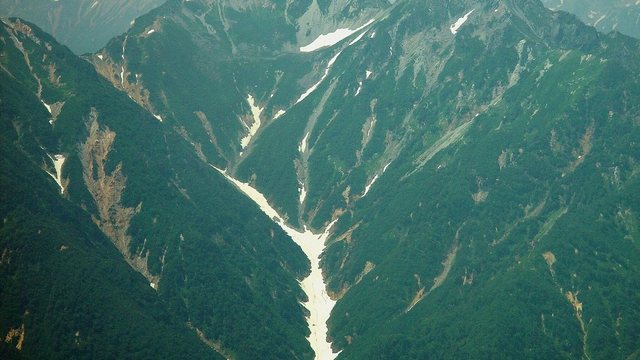
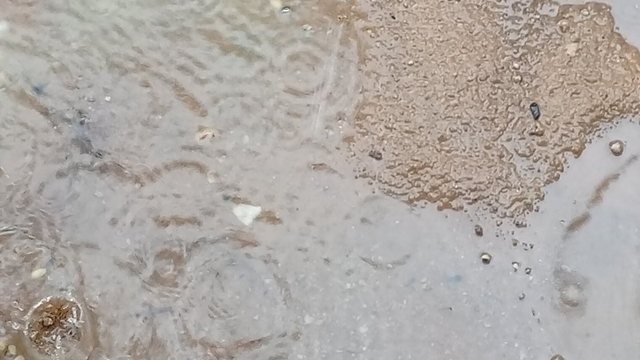
Rain has a little carbon dioxide from the air dissolved in it, which makes it slightly acidic. Over a long time, this rain wears away and dissolves rocks on land. The substances in the rocks become ions (tiny invisible particles dissolved in water), flow into rivers, and are finally carried to the sea. Among the substances dissolved in seawater, the most common are chloride ions and sodium ions, and these 2 together are the combination that makes table salt.
More comes from the seafloor
The ingredients of salt do not come only from land. When seawater seeps into cracks in the seafloor and is heated by magma, it dissolves iron, zinc and other substances from the surrounding rock, and then shoots out of hydrothermal vents on the seafloor. Eruptions of undersea volcanoes also add substances.

Water leaves, but salt stays
Seawater evaporates with the heat of the sun, but only the water rises into the sky, and the dissolved salt stays in the sea. Materials published by the Japan Meteorological Agency explain that the total amount of salt does not change over the span of human lifetimes, so when the saltiness of the sea changes over a few days to a few hundred years, it is because rain or river water is added, or because water is lost by evaporation. That is why saltiness is higher in areas with a lot of evaporation and lower in areas with a lot of rain.
Is the sea getting saltier?
If rivers keep carrying salt, you might think the sea would just keep getting saltier. But some of the substances that enter the sea leave it again, used by living things or taken into the mud and sand that settle on the seafloor (sediments). Because the amount coming in and the amount going out balance each other, the saltiness of the sea is thought to have stayed roughly the same for at least the past 200 million years or so. However, it is also known that the proportions of the different substances were sometimes different in the past.
Want to know more?
- About 3.5% of the weight of seawater is dissolved salts. That works out to about 35 g of salts in every 1 kg of seawater.
- One estimate says that if all the salt in the sea were taken out and spread evenly over the land, it would form a layer about 166 m thick, about as tall as a 40-story building.
- The saltiness of the sea varies from place to place. It is lower near the equator and in the polar regions, and higher in the mid-latitudes in between.

Quick quiz: test yourself
What is the main reason seawater is salty?
Show the answer
- Rivers carry minerals from rocks
- Sea creatures give off salt
- There are salt mountains on the seafloor
Rivers carry minerals from rocks Minerals dissolved from rocks on land are carried by rivers and build up in the sea. Only water leaves when it evaporates, so the salt stays.
Minerals dissolved from rocks on land are carried by rivers and build up in the sea. Only water leaves when it evaporates, so the salt stays.
Next quiz ›Sources
- Why is the ocean salty?U.S. Geological Survey (USGS)
- Why is the ocean salty?NOAA National Ocean Service
- FAQ 3.2 地球の水循環が変化している証拠はあるのか?(IPCC第5次評価報告書 第1作業部会 よくある質問と回答 日本語訳)気象庁 (in Japanese)
- Chemistry and geochemistry of the oceansLibreTexts(Coastline College 環境科学教材)
This article was written after checking the sources above as of 2026-10-03. Explanations may change as research progresses. Photo credits are shown below each photo.