Why does soda fizz when you open it?

 The answer is a change in pressure.
When you open the cap, the pressure inside drops, and the carbon dioxide dissolved in the liquid can no longer all stay dissolved, so it comes out as bubbles. The higher the pressure pushing down on a liquid, the more gas can dissolve in it. Soda is sealed under high pressure, so the moment you open it, you hear a "pssst" and bubbles appear.
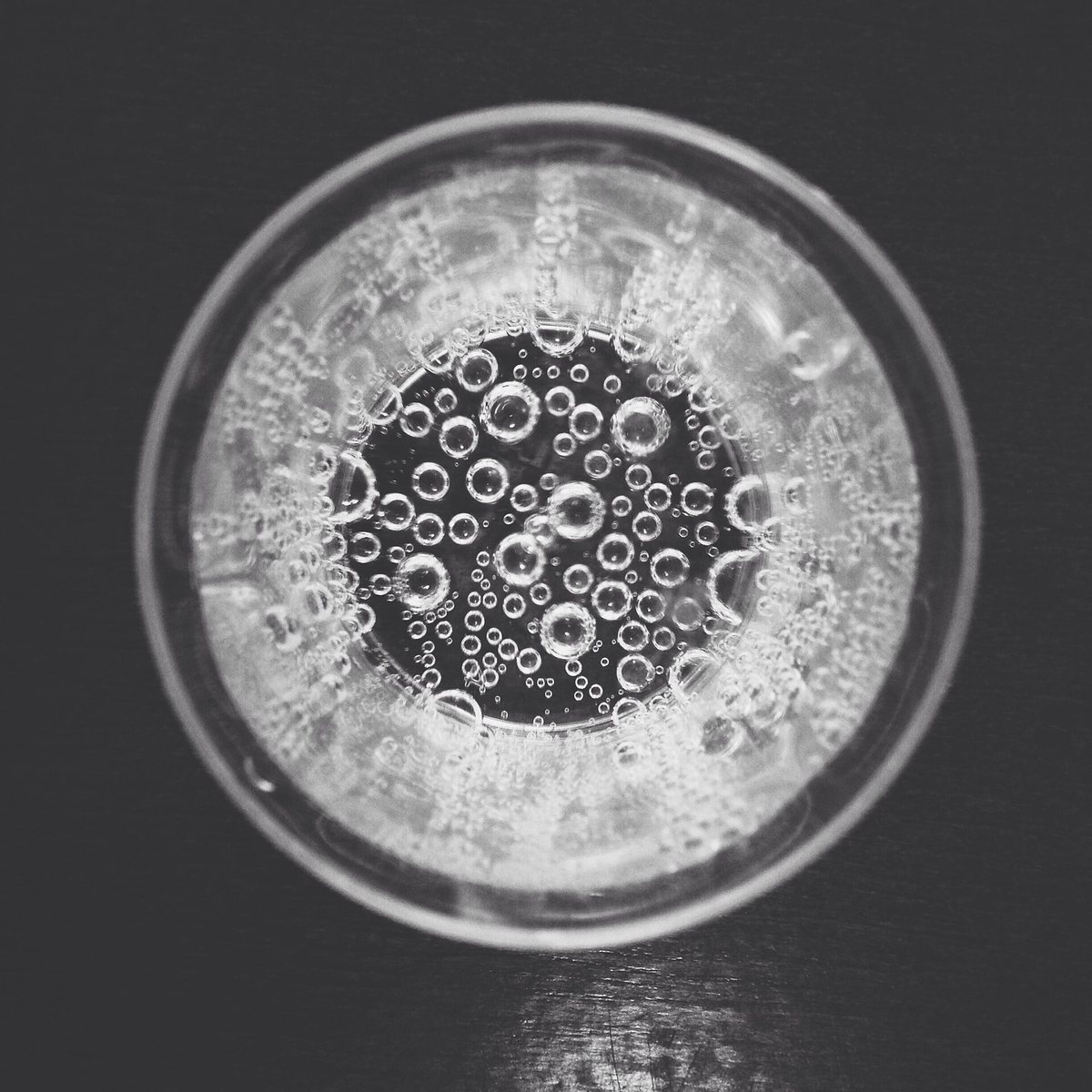
The fizz is carbon dioxide
The fizz in soda is a gas called carbon dioxide. Gases can dissolve in liquids, just like sugar and salt can. According to an explanation from the American Chemical Society (ACS), the higher the pressure of the gas above a liquid, the more of that gas dissolves in the liquid. This is called Henry's law.
Pressure pushes the gas in
To make soda, the drink is exposed to carbon dioxide at high pressure and then sealed with a cap. An explanation from the University of Hawaii at Hilo says that applying a pressure of, for example, about 2–3 times that of the atmosphere lets more carbon dioxide dissolve. That is why cans and plastic bottles need to be tightly sealed.

Opening lowers the pressure, making bubbles
When you open the cap, the pressure inside drops to match the pressure outside. The drink is then holding more gas than can stay dissolved at that pressure. The extra gas turns into bubbles and escapes, and over time the drink goes flat.
For example, applying a pressure of about 2–3 times that of the atmosphere lets more carbon dioxide dissolve.
Bubbles are born on tiny bumps
Bubbles don't form equally everywhere in the liquid. According to the ACS, tiny bumps too small to see on the wall of a glass or the surface of a straw become the starting points for bubbles. These starting points are called nucleation sites. When you open a shaken can, it sprays out hard; this is thought to be because shaking creates bubble seeds that suddenly grow big the moment the can is opened.
Want to know more?
- When you open a warm soda, the bubbles escape faster than when you open one chilled in the refrigerator.
- A soda erupts when you drop in Mentos because the candy's surface has lots of tiny bumps that act as starting points for bubbles.
- Even after you open a soda that hasn't been shaken, the gas escapes little by little, so it takes many hours to go flat.

Quick quiz: test yourself
Why does soda fizz when you open it?
Show the answer
- Air rushes inside
- The pressure inside drops
- The drink warms up
The pressure inside drops Opening the cap lowers the pressure inside, so the carbon dioxide dissolved in the drink can no longer stay dissolved and comes out as bubbles.
Opening the cap lowers the pressure inside, so the carbon dioxide dissolved in the drink can no longer stay dissolved and comes out as bubbles.
Next quiz ›Sources
- Unleashing Carbon DioxideAmerican Chemical Society (ACS)
- FAQ: Mentos and Other ExplosionsUniversity of Hawaiʻi at Hilo, Department of Geology
- 13.4: Solutions of Gases in Water - How Soda Pop Gets Its FizzChemistry LibreTexts (Sacramento City College)
- The physics of fizzNature Reviews Physics
This article was written after checking the sources above as of 2026-10-03. Explanations may change as research progresses. Photo credits are shown below each photo.