Why does the sea level rise and fall?

 Let me first explain in 30 seconds why the sea level rises and falls.
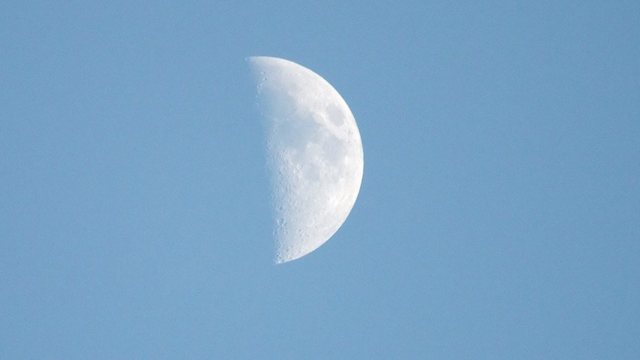
The height of the sea slowly rises and falls in a cycle of about half a day. This is called the tide. The main cause is the "tide-generating force," which comes from things like the Moon's gravity. The Sun also creates a tide-generating force, but it is only about half as strong as the Moon's. On many coasts, there are two high tides and two low tides each day.
The force that makes tides
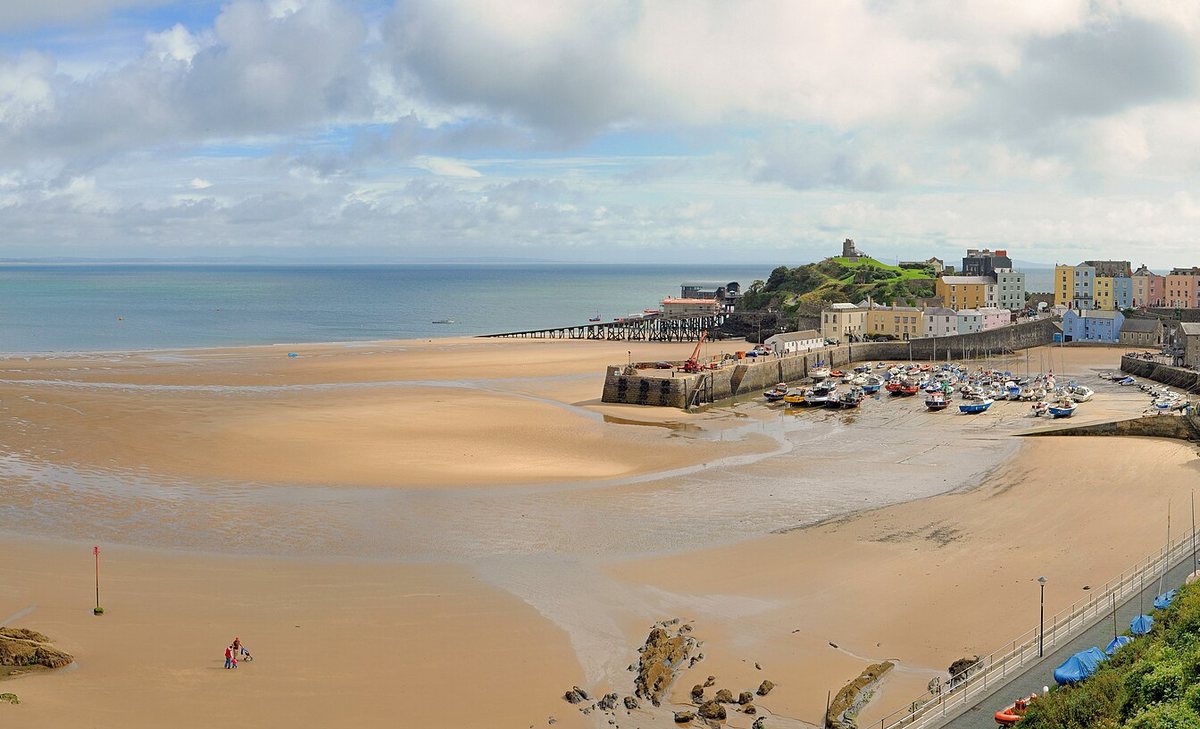
When the sea surface (the tide level) has risen as far as it will go, it is called high tide, and when it has dropped as far as it will go, it is called low tide. According to the Japan Meteorological Agency, the main force behind the tides is the "tide-generating force," a combination of the Moon's gravity pulling on the Earth and the inertial force created as the Earth moves together with the Moon. This force works as if it were stretching the Earth, so the sea becomes higher in some places and lower in others.
Twice a day, about 50 minutes later each day
The sea bulges up in two places: on the side facing the Moon, and on the exact opposite side. The Earth turns once a day, so many coasts pass through these high spots twice a day and get two high tides and two low tides. But the Moon is also moving around the Earth in the same direction, so it takes the Earth about 50 extra minutes to catch up with it. That is why the times of high and low tide get about 50 minutes later every day.

The Sun's pull, spring tides and neap tides
The Sun also creates a tide-generating force. The Sun is much heavier than the Moon, but because it is so far away, its tide-making force is only about half of the Moon's. Around the new moon and the full moon, the Moon and Sun line up with the Earth, their forces add together, and the difference between high and low tide becomes large. These are called spring tides. Around the first and last quarter moons, the Moon and Sun are at right angles to each other, their forces partly cancel out, and the difference becomes small. These are called neap tides.
A simplified diagram of the positions. Sizes and distances are not to scale.
Place and weather make a difference too
The size of the tides also varies greatly from place to place. According to the U.S. National Oceanic and Atmospheric Administration (NOAA), the tidal range is often 1 m or less on islands in the open ocean, far from continents, while bays shaped like funnels have larger tides, and in the Bay of Fundy in Canada it exceeds 15 m. Wind and air pressure can also change the sea level, and when air pressure is low, tides tend to be higher than predicted.
Want to know more?
- It takes about 6 hours and 12 and a half minutes to go from high tide to low tide, or from low tide to high tide.
- The Sun is about 27 million times heavier than the Moon, but it is about 390 times farther from the Earth, so its tide-making force is smaller than the Moon's.
- Tide levels also change with the seasons, and along many coasts of Japan, tide levels are higher from summer into autumn.

Quick quiz: test yourself
What mainly causes the tides?
Show the answer
- The Moon's pull, mainly
- Heat from the Sun
- Wind over the sea
The Moon's pull, mainly The main cause is the tide-generating force, which comes mostly from the Moon's gravity. The Sun also creates it, but only about half as strong as the Moon's.
The main cause is the tide-generating force, which comes mostly from the Moon's gravity. The Sun also creates it, but only about half as strong as the Moon's.
Next quiz ›Sources
- 潮汐の仕組み気象庁 (in Japanese)
- What Causes Tides?NOAA National Ocean Service
- Frequency of Tides - The Lunar DayNOAA National Ocean Service
- What Affects Tides in Addition to the Sun and Moon?NOAA National Ocean Service
This article was written after checking the sources above as of 2026-10-03. Explanations may change as research progresses. Photo credits are shown below each photo.