Why does wasabi sting your nose?

 The answer lies in the nature of its hot compound.
The heat of wasabi comes from a substance called "allyl isothiocyanate," which forms through the work of an enzyme when wasabi is grated and its cells are broken. This substance easily spreads into the air (it is volatile), so when you eat it, it rises from your mouth into your nose and gives a sharp, stinging feeling. That is the secret of wasabi's nose-tingling kick, which is different from the heat of chili peppers.
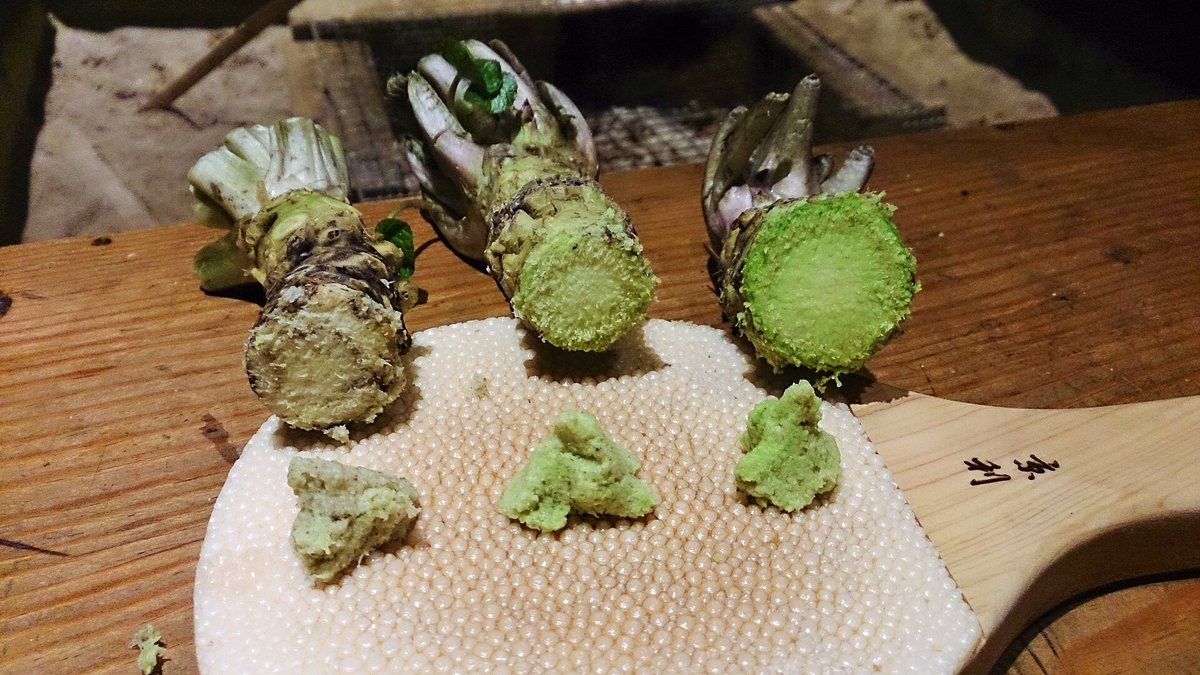
It only gets hot once it is grated
In the wasabi rhizome (the part usually called the root), the substance that becomes the source of the heat and the enzyme "myrosinase" that changes it are stored in separate cells. According to an announcement by a research group including the Nara Institute of Science and Technology, the two meet only when the cells are broken, and the hot compound is formed. This system is also called the "mustard oil bomb."

Originally a way to protect itself
Originally, this system is a way for the plant to protect itself from insects and bacteria. The moment it is bitten and its cells are broken, it produces a substance that attackers dislike. Grating wasabi on a grater is also a way of breaking its cells to set off this reaction.
The hot compound rises into the nose
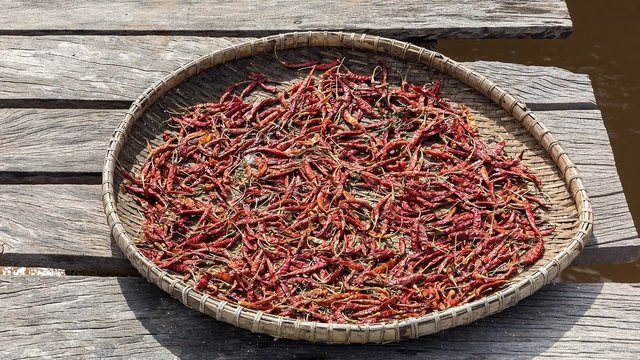
A paper published in the Journal of Home Economics of Japan by researchers including those at Gifu University explains that allyl isothiocyanate, the hot compound in wasabi, is volatile, unlike the heat of chili peppers, so it creates a sharp heat that rises into the nose and a distinctive flavor.
It fades over time
Because the hot compound escapes easily into the air, the heat and aroma grow weaker as time passes after grating. In tests described in the same paper, the grated wasabi was also evaluated without being left out for long, since the hot compound evaporates. That is why wasabi is grated right before eating.
Want to know more?
- The same hot compound is also found in mustard, daikon radish, and horseradish (Western wasabi).
- Many tube wasabi products are made mainly from horseradish.
- The research group found a gene involved in forming the cells that make the hot compound, and named it "WASABI MAKER."

Quick quiz: test yourself
Why does wasabi sting your nose?
Show the answer
- Its spicy compound rises to the nose
- It has the same heat as chili
- Its juice gets into your nose
Its spicy compound rises to the nose Wasabi's spicy compound, allyl isothiocyanate, spreads easily into the air, so when you eat it, it travels from your mouth to your nose and stings.
Wasabi's spicy compound, allyl isothiocyanate, spreads easily into the air, so when you eat it, it travels from your mouth to your nose and stings.
Next quiz ›Sources
- アブラナ目の生体防御を担う細胞の形成に気孔形成因子が転用されていた奈良先端科学技術大学院大学 (in Japanese)
- 西洋ワサビブレンドチューブわさびとすりおろしわさび品種間の官能評価比較(日本家政学会誌 76巻10号, 2025)日本家政学会(山根京子・清水祐美・小林恵子) (in Japanese)
This article was written after checking the sources above as of 2026-10-03. Explanations may change as research progresses. Photo credits are shown below each photo.